5 Ways To Reboot and Reoptimize Old Content For Omnichannel SEO

5 Ways To Reboot and Reoptimize Old Content For Omnichannel SEO
As search engine algorithms and platforms continue to progress, it’s crucial to know how to optimize existing contingent to ensure maximum reach. Rebooting old content helps address keyword evolution, enhancing their relevance and value for audiences. Let’s break down 5 effective ways to help you step up your reoptimization efforts.
Search engines favor fresh and unique content, so it’s time to work with the algorithms to create web content that stands out from the crowd and climbs the rankings.
Many businesses feel the need to churn out a never-ending stream of content to drive traffic to their sites and maintain a continuous flow of articles, but what if we said the trick to omnichannel content could be right under your nose?
Find top-notch SEO firms on The Manifest and match with the right team to help your website.
The Role Of Omnichannel SEO
Most businesses have an existing bank of content, whether that be blogs, articles, or whitepapers, built up over the years. Once it has been published, it can be easy to let it do its job and forget about it completely.
Instead, old content should be repurposed to give it a new lease of life and maximize the SEO benefits.
When striving to connect with your audience across multiple channels, omnichannel SEO is a necessity. By refreshing and optimizing content, it can be repurposed to suit different channels and used within an omnichannel campaign.
Companies with omnichannel customer engagement strategies are shown to retain 89% of their customers, bringing nearly six times more sales than channel marketing. Optimizing content for various touch points not only helps to capture consumers' attention but also improves search engine rankings and increases online visibility.
In this article, we explore five key ways to reboot and reoptimize your old website content, repurposing it as part of a timeless omnichannel SEO strategy.
Undergo a Content Audit
A content audit consists of analyzing existing content to see how it is performing, identifying areas that are successful, and areas in which improvements are required.
Website content and blog posts are timely and require time, expertise, and creativity to create. Instead of continually churning out new content to reach your business goals, revisiting existing content and analyzing the data is an invaluable approach that can help you take charge of your content strategy.
How to Carry Out a Content Audit
To get started, list all existing content on a site. It is often easiest to use a spreadsheet for this, which includes columns for the page title, URL, date of publication, and key performance metrics.
Google Analytics provides vital insights that can be used to measure a page's success. Note key metrics such as traffic, bounce rate, engagement rate, and conversion rate. Then, highlight any pages that have particularly effective results and those that are not performing well.
When it comes to pages that have not been a success, ask yourself why this might be: Did you miss the boat with a time-sensitive topic? Is the article poorly written? Is there a lack of SEO tactics?
Once you have decided on the pages that could benefit from reoptimization, you can start working through the list.
Refresh Existing Content
As content ages, it loses its relevance, and both users and search engines can be put off. Back in 2011, Google released a new ‘Freshness’ update and announced that this was to give “fresher, more recent search results.” This practice still stands, and even for content that once ranked well, credibility starts to drop as time goes on.
By updating a web page or repurposing an old blog, you not only add new information that brings the content back up to date but also show search engines that you are keeping up with the industry and providing useful content.
To give content that needs to be refreshed, start by looking for any new information that could provide fresh insights. That could be any new data, recent brand case studies, or industry updates.
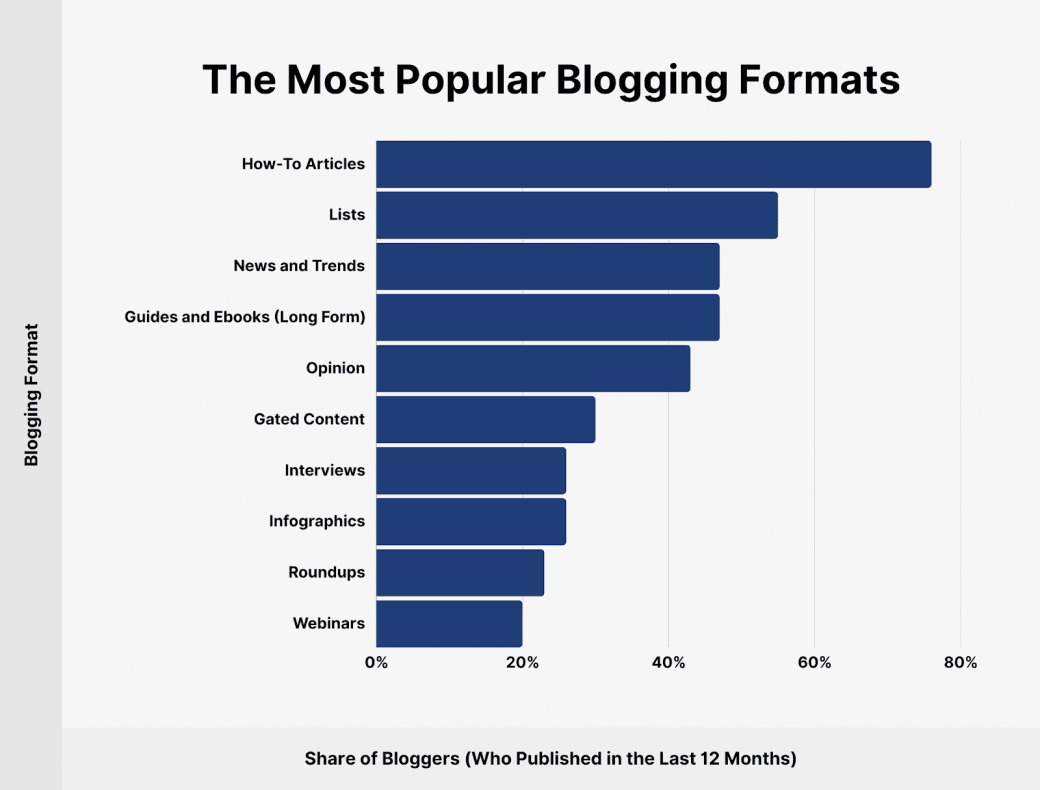
Looking at new ways to reformat blog posts could also transform the content. If the page is made up of large chunks of text or lacks images or infographics, consider how you could make the user experience more engaging. Adding bullet points, creating more subheadings, or introducing quotes could really help elevate your post.

Dmytro Spilka
Director and Founder, Solvid